Whey Isolate vs Whey Protein Concentrate: Which Should You Buy in India?
Quick answer: Whey isolate generally contains less lactose than whey concentrate, but the exact amount varies by product and brand — it’s not a blanket “lactose-free” category. Rebound ISO Zero is labelled “low-lactose,” not lactose-free, and neither Rebound ISO Zero nor Extreme Whey should be assumed safe for someone with a diagnosed milk allergy (both declare milk as an allergen). If you’re lactose-sensitive, cutting fat/calories aggressively, or want the leanest possible protein hit, whey isolate is usually the more cautious choice — but check the specific product’s own label, not the category name. If you want more protein per rupee, don’t mind a touch more lactose/fat, and want a well-rounded everyday shake, whey concentrate-based blends (like our Extreme Whey) are usually the smarter buy for most people. Neither is “better” — they’re built for different priorities, and the right one depends on your digestion, your budget, and your goal.
Whey Concentrate vs Whey Isolate: What Actually Changes
Both start as the same raw material — liquid whey, a byproduct of cheesemaking. What changes is how much it’s filtered before it’s dried into powder.
- Whey Protein Concentrate (WPC) goes through the least filtering. It keeps more of the naturally occurring lactose, fat, and minerals, which is why it’s usually cheaper and tends to taste creamier.
- Whey Protein Isolate (WPI) is filtered further (typically through micro- or ultra-filtration), stripping out most of the lactose and fat and pushing protein concentration higher per gram of powder. This extra processing is reflected in the price.
Most “whey protein” products sold in India — including blends — are not pure concentrate or pure isolate. They’re formulated using a mix of protein sources to hit a price and performance target, which is exactly why label-reading matters more than the word “whey” on the front of the tub. As a general rule, isolate contains less lactose than concentrate — but “less” is not “none,” and the exact amount depends on each product’s own processing and label, not on the category it’s sold under.
Comparing Our Own Two Products, Label to Label
Rather than talk about WPC and WPI in the abstract (our existing buyer’s guide already does that), here’s how it actually plays out across two real Muscle Reload products — side by side, using only what’s stated on each product’s own label and product page.
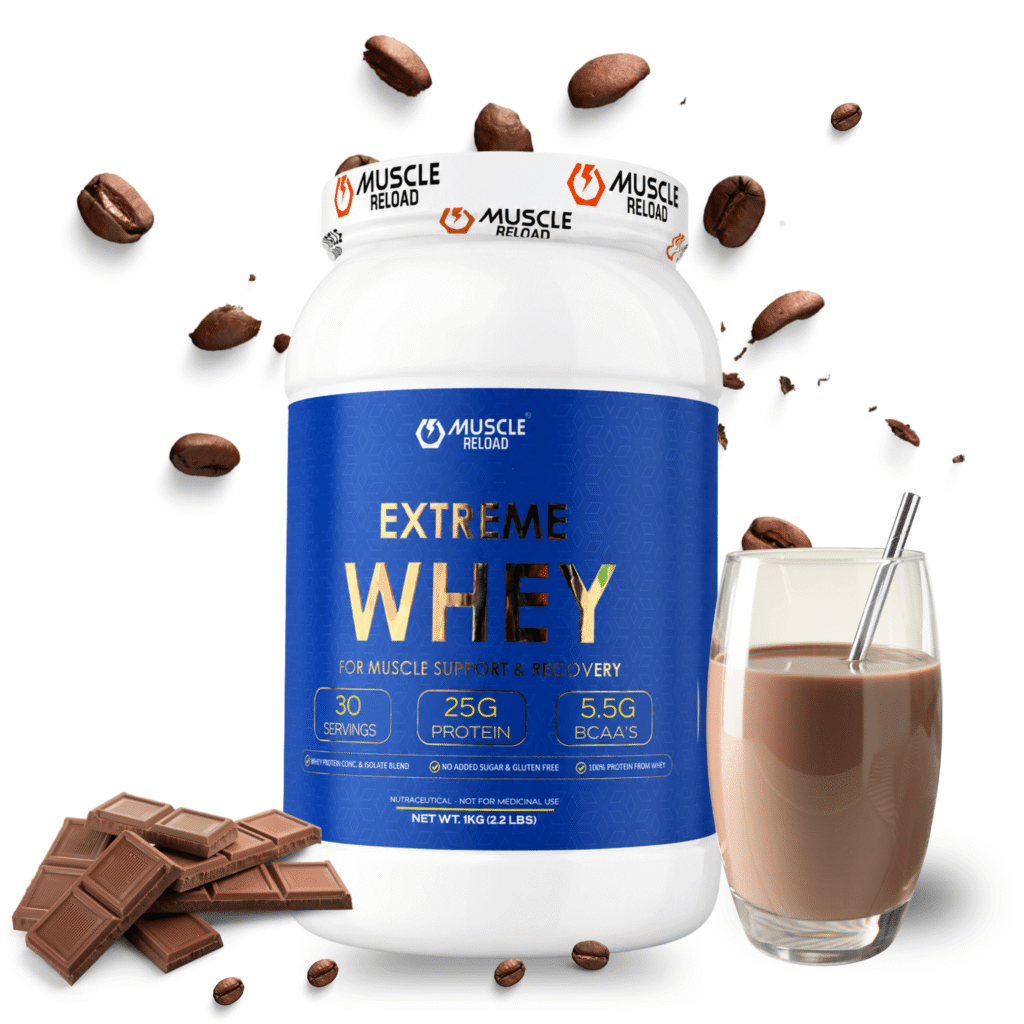
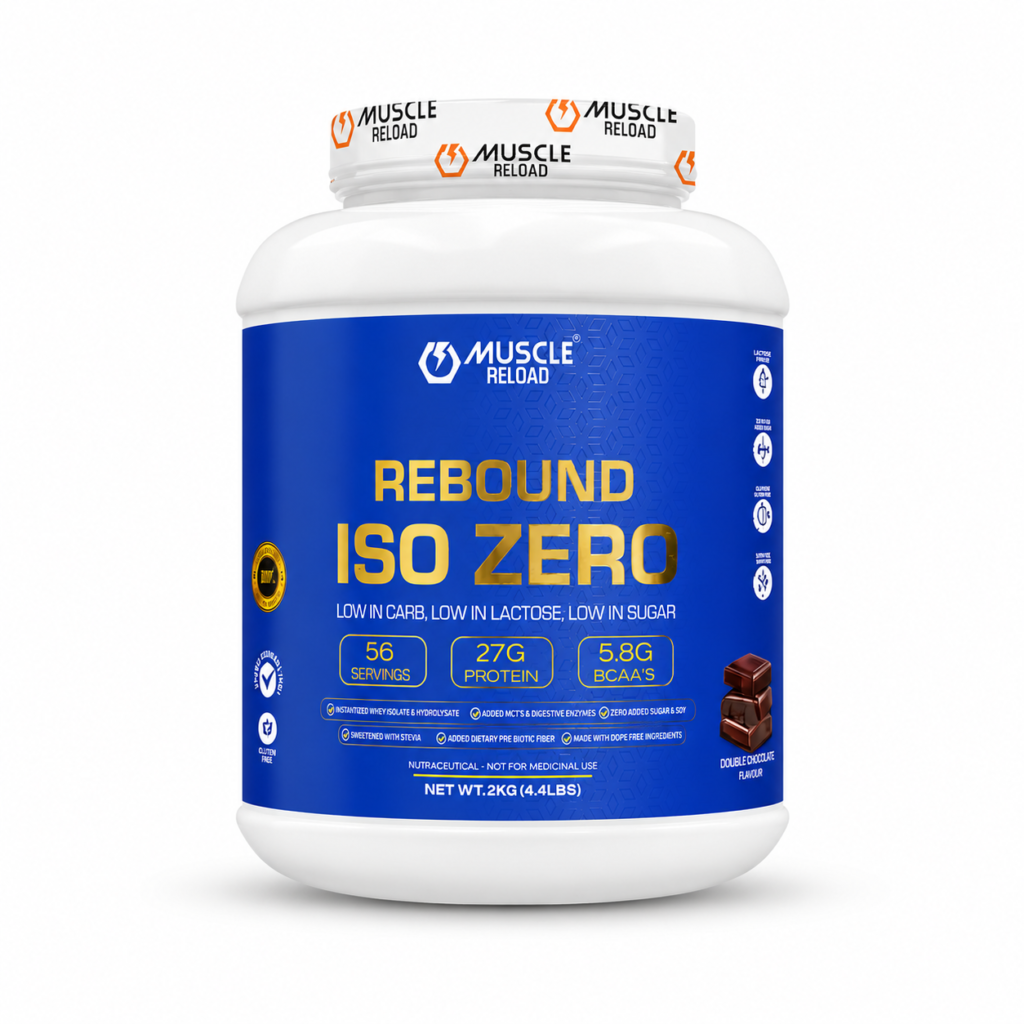
| Muscle Reload Extreme Whey Protein | Rebound ISO Zero | |
|---|---|---|
| Processing | A blend: Whey Protein Concentrate (WPC) + Whey Protein Isolate (WPI) + Whey Protein Hydrolysate (WPH) — not a pure concentrate | 100% Instantized Whey Protein Isolate (micro/ultra-filtered) — no concentrate in the blend |
| Protein per scoop | 25g protein (33g scoop) | 27g protein (35g scoop) |
| Lactose | No lactose-reduction claim is made for this product — as a blend containing standard WPC, it should be treated as a regular-lactose product | Labelled “low-lactose” (not lactose-free). Isolate generally contains less lactose than concentrate, but the exact amount is not stated on this label — not confirmed safe for a diagnosed milk allergy |
| Added extras | 5.5g BCAA, 10g “Critical 5 Amino Acids,” no added sugar | 5.8g BCAA, added digestive enzyme blend (bromelain + papain), prebiotic fibre (FOS), sweetened with Steviol Glycosides (stevia) instead of sugar |
| Allergens declared | Contains Milk & Soy (Lecithin) | Contains Milk only |
| 1kg price (checked live 12 Oct 2026) | ₹3,079 | ₹5,399 |
| Price per gram of protein (calculated, not a label claim) | ≈ ₹4.11/g — directly calculable from the product’s own stated figures: 1kg = 30 servings at 25g protein/scoop (per its own FAQ), so 750g total protein ÷ ₹3,079 | Estimate only, not a label fact: ≈ ₹6.89–₹7.14/g. This product’s label does not state a servings-per-tub figure, so this range assumes ~28–29 scoops per 1kg tub based on scoop size alone (1000g ÷ 35g scoop) — it could not be independently verified and should be treated as approximate |
| Best suited for | Everyday post-workout recovery, general muscle support, buyers prioritising value per scoop | Buyers who are lactose-sensitive, watching fat/sugar closely, or who specifically want a leaner, faster-digesting protein source — while still checking the label themselves if they have a diagnosed allergy or intolerance |
A note on those price-per-gram figures: Extreme Whey’s figure comes directly from numbers stated on its own label and FAQ, so it’s as accurate as the label itself. Rebound ISO Zero’s figure is our own calculation based on a reasonable serving-size assumption, because that product’s page doesn’t state an exact servings-per-tub figure the way Extreme Whey’s does — treat it as a close estimate, not a confirmed label fact. Both 1kg prices above were checked against the live store on 12 October 2026 and are subject to change; always confirm current pricing on the product page itself.
Disclaimer: Composition Varies by Product and Label
This comparison applies specifically to these two products as currently listed. Formulations, blends, and sourcing can and do vary between brands — and even between batches or future reformulations of the same product. Always check the current label and ingredient panel on the product you’re actually buying rather than assuming “isolate” or “concentrate” guarantees a fixed composition or a specific lactose level. Neither product on this page is being marketed here as superior to the other — they serve different needs, and neither should be assumed safe for a diagnosed milk allergy without checking the full ingredient and allergen panel yourself.
A Practical Buying Checklist (Beyond “Isolate vs Concentrate”)
Our existing buyer’s guide already covers the FSSAI-license and lab-testing basics — here’s what to check specifically when the choice is between a concentrate-based blend and an isolate:
- Read the actual protein source list, not just the front label. “Whey Protein” on the front can mean concentrate, isolate, hydrolysate, or a blend of all three. The ingredient panel on the back will say.
- Check if a lactose or digestion claim is actually made — or just implied. A product doesn’t become “low-lactose” just because it’s called “isolate” elsewhere in the market. Rely on what that specific product’s label says, as we’ve done above.
- Match the scoop size to the protein-per-scoop figure before comparing tubs. A bigger scoop with similar protein content isn’t automatically better value — recalculate protein per rupee using the tub’s actual price, not scoop count alone.
- If you’re lactose-sensitive or have a milk allergy, don’t guess — check the allergen panel every time, even on an isolate. “Low-lactose” is not the same as “lactose-free,” and isolate is not automatically safe for a diagnosed milk allergy. Some isolates (like Rebound ISO Zero) add digestive enzymes on top of being low-lactose, which can help lactose sensitivity specifically — but that’s a different thing from a milk protein allergy.
- Decide your priority first: value per gram, or leanness per scoop. If you want the most protein for the least money and can tolerate regular lactose, a concentrate blend usually wins. If digestion or a leaner macro profile matters more than price, isolate is worth the premium.
FAQ
Is whey isolate always better than whey concentrate?
No. Isolate is more filtered and typically lower in lactose and fat, but “better” depends on your goal and budget. A concentrate-based blend can be the more practical everyday choice for someone with no lactose sensitivity who wants more protein per rupee.
Does whey isolate automatically mean faster muscle growth or more fat loss?
No — protein type alone doesn’t determine muscle or fat-loss outcomes; total daily protein intake, overall diet, and training are the bigger factors. Isolate’s advantage is a leaner macro profile (less lactose/fat per scoop) and easier digestion for some people, not a guaranteed muscle-building edge over concentrate.
Is Rebound ISO Zero completely lactose-free, and is it safe if I have a milk allergy?
No to both. It’s labelled low-lactose, not lactose-free — isolate generally contains less lactose than concentrate, but the exact amount varies by product and isn’t stated on this label. It also declares milk as an allergen, so it should not be assumed safe for a diagnosed milk allergy. If you have a diagnosed lactose intolerance or milk allergy, check the full ingredient and allergen panel yourself, and consult a doctor if you’re unsure.
Can I switch between the two depending on the day?
Yes — there’s no harm in using a concentrate-based blend like Extreme Whey on most days and reserving an isolate like Rebound ISO Zero for days you want a leaner shake, as long as total daily protein intake fits your plan.
Why is isolate priced higher per gram of protein?
The extra filtration step (micro/ultra-filtration) that removes most of the lactose and fat is a more expensive manufacturing process, and that cost is reflected in the price per gram of protein.
Related Reading
- See the full range in Whey Protein and Whey Isolate
- New to the basics of WPC vs WPI vs hydrolysed whey, or want our full step-by-step label-checking process? Start with How to Choose the Best Whey Protein in India (2026 Buyer’s Guide)
Ready to Level Up Your Nutrition?
Explore lab-tested, FSSAI-approved supplements built for real results.